HPV Cancer Symptoms
Useful content on this page. Donate to support this initiative. Don't panic - read information from the internet and feel free to learn.
Tongue Beside Bumbs
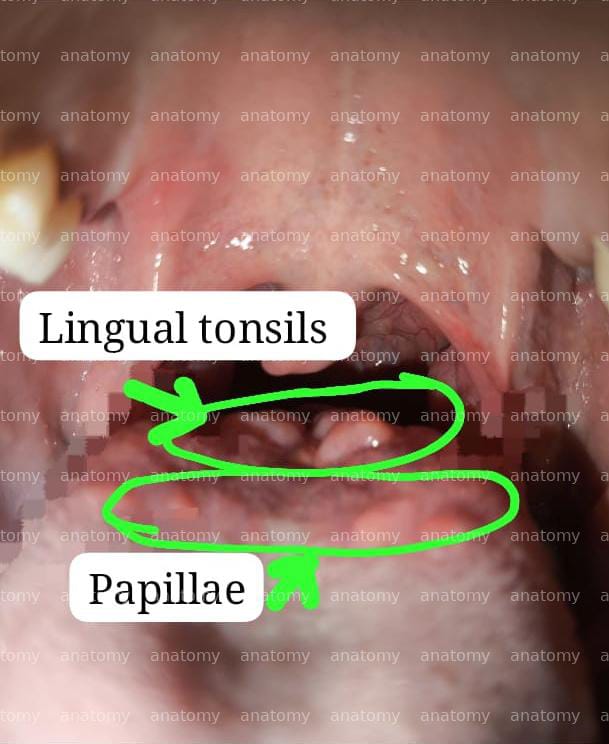
The tongue has small bumps on its surface called papillae. Behind the papillae are structures called lingual tonsils. These are completely normal features of human anatomy and are not the same size for all humans. Please consult a doctor.
HPV warts can spread through direct skin-to-skin contact. They may also spread through non-sanitized objects. Prevention and early detection can help stop HPV-related cancer at an early stage. If you find this content helpful, please consider donating to support this page.
When Should You Be Concerned?
Problems may arise when you experience:
- Daily pain that persists
- Enlarged or swollen areas
- Uncured ulcers in specific places
- Unusual warts and bumps inside the mouth
HPV Types and Vaccines
There are more than 200 types of HPV. Currently, vaccines have been found for nine specific types.
Vaccine Coverage for HPV Types:
6, 11, 16, 18, 31, 33, 45, 52, 58
Low-Risk HPV Types
HPV Type 6
Low-Risk (Non-Cancer Causing)- Mainly causes genital warts
- Can also cause wart-like growths in mouth/throat (rare)
HPV Type 11
Low-Risk (Non-Cancer Causing)- Also causes genital warts
- Sometimes linked to recurrent respiratory papillomatosis (warts in throat)
High-Risk HPV Types
HPV 16 (Highest Risk)
High-Risk (Cancer Causing)- Often no symptoms
- Can cause cervical cancer
- Can cause throat cancer
- Symptoms (late stage):
- bleeding after intimate contact
- pelvic pain
- sore throat that doesn't heal
- difficulty swallowing
HPV 18 (Very High Risk)
High-Risk (Cancer Causing)- Usually no early symptoms
- Strongly linked to cervical cancer
- Symptoms (later):
- abnormal vaginal bleeding
- watery discharge
- pelvic pain
HPV 31 (High Risk)
High-Risk (Cancer Causing)- Often silent infection
- Can cause precancer changes
- Symptoms may include:
- abnormal Pap test results
- unusual bleeding (if advanced)
HPV 33 (High Risk)
High-Risk (Cancer Causing)- Usually no symptoms
- Can lead to cervical, anal, and throat cancers
- Possible symptoms (if cancer develops):
- bleeding
- pain during intimate contact
- lumps or swelling
HPV 45 (High Risk)
High-Risk (Cancer Causing)- Often no symptoms
- Linked to cervical cancer
- Possible late symptoms:
- pelvic pain
- abnormal bleeding
- discharge
HPV 52 (High Risk)
High-Risk (Cancer Causing)- Usually no symptoms
- Can cause cervical precancer
- Possible symptoms (advanced stage):
- bleeding after intimate contact
- pelvic pain
- fatigue
HPV 58 (High Risk)
High-Risk (Cancer Causing)- Often no symptoms
- More common in Asia
- Can lead to cervical cancer
- Symptoms (later):
- abnormal bleeding
- pelvic pain
- weight loss
HPV Infection (Human Papillomavirus)
HPV (Human Papillomavirus) is one of the most common viral infections in the world. It affects both men and women and can spread through direct skin-to-skin contact. HPV mainly targets the skin and the moist areas of the body such as the mouth, throat, genital area, and anal region. Many people get infected with HPV at least once in their lifetime, but most of the time the infection goes away naturally without causing any serious health problems.
HPV is not just one virus. It is a large group of viruses with more than 200 different types. These types are divided into two major categories: low-risk HPV and high-risk HPV. Low-risk HPV types usually cause warts and are not linked to cancer. High-risk HPV types can lead to abnormal cell changes and may increase the risk of developing certain cancers if the infection stays in the body for a long time.
In most cases, HPV infection does not show any symptoms. This is why HPV is called a "silent infection." Many people do not know they have it and may unknowingly spread it to others. The immune system usually clears HPV naturally within 1 to 2 years. However, in some people, the virus stays longer, especially if the immune system is weak. Persistent HPV infection is the main reason for HPV-related complications.
Low-risk HPV types such as HPV 6 and HPV 11 are well known for causing warts. These warts can appear as small bumps, soft growths, or cauliflower-shaped lumps. They may appear in the genital area, anal region, mouth, or throat. Warts can be painless, but sometimes they may cause itching, discomfort, or mild bleeding. Skin HPV types can also cause common warts on hands, fingers, and feet. Plantar warts on the feet can be painful while walking.
High-risk HPV types such as HPV 16, 18, 31, 33, 45, 52, and 58 are considered more dangerous because they can lead to cancer. These types may cause changes in the cells of the cervix, throat, penis, anus, vulva, and vagina. The most common HPV-related cancer is cervical cancer, but HPV can also cause mouth and throat cancer. The biggest risk is not the infection itself, but the long-term infection that damages cells slowly over several years.
HPV infection usually starts when the virus enters the body through small cuts or tiny skin damage. Once inside, HPV infects the top layer of skin cells. The virus multiplies and may remain hidden for a long time. Because HPV is often symptomless, many infections remain undetected until a medical test finds abnormal changes.
The symptoms of HPV depend on the type and the area affected. For low-risk HPV, symptoms mainly include visible warts. For high-risk HPV, early stages often show no symptoms. If cancer begins to develop, symptoms may include unusual bleeding, pelvic pain, pain during urination, discomfort, lumps, mouth sores that do not heal, difficulty swallowing, voice changes, and unexplained weight loss. These symptoms should never be ignored, and early medical screening is very important.
HPV infection can be detected through medical screening tests. In women, a Pap smear test helps detect abnormal cervical cell changes. HPV DNA testing can also identify high-risk HPV types. Regular screening is one of the best ways to prevent cervical cancer because it can detect problems before cancer develops. In men, there is no routine HPV screening test available in many places, but doctors may examine warts or unusual symptoms.
Prevention is the best protection against HPV infection. One of the most effective prevention methods is the HPV vaccine. Vaccines such as Gardasil protect against major high-risk and low-risk HPV types. The vaccine is most effective when taken before exposure to the virus, but it can still be helpful later as well. Maintaining good hygiene, avoiding direct contact with infected skin, and using protection can also reduce risk. However, since HPV spreads through skin contact, protection does not give 100% prevention.
A strong immune system plays an important role in clearing HPV infection. Healthy lifestyle habits such as eating nutritious food, getting enough sleep, reducing stress, avoiding smoking, and limiting alcohol can help the immune system fight the virus. Smoking is strongly linked to long-lasting HPV infection and higher cancer risk, especially in cervical and throat cancers.
There is no direct medicine that completely removes HPV from the body instantly. In many cases, the immune system removes the virus naturally. Treatment usually focuses on managing symptoms like removing warts and treating abnormal cell changes. Warts can be removed using creams, freezing therapy, laser treatment, or minor surgery depending on the severity. If abnormal cervical changes are found, doctors may recommend further tests and early treatment to stop cancer development.
The most important thing to remember is that HPV infection is very common, and in most cases it is not life-threatening. Many people recover without any complications. But ignoring symptoms and skipping regular screening can increase the risk of serious diseases. Early detection and prevention can save lives.
HPV-related cancers take many years to develop, which means people have a long chance to detect and stop it early. Regular health checkups, HPV vaccination, and awareness are the best ways to protect yourself. If you notice any unusual lumps, warts, bleeding, or mouth sores lasting more than two weeks, it is better to consult a doctor and get tested.
HPV infection should not create fear or panic. With proper knowledge, safe habits, vaccination, and early screening, HPV can be controlled and serious complications like cancer can be prevented.
Important Reminders
If you notice any persistent symptoms or changes in your oral health, consult a healthcare professional for proper evaluation and diagnosis.
This website provides general information and should not be used as a substitute for professional medical advice.